.png)
_edited.png)
Smart Hydration Strategies Beyond Water: Foods, Signs, and Electrolyte Insights

Staying hydrated is essential, especially during summer when heat and activity increase fluid loss via sweat. Most people think hydration means simply drinking more water. While water is crucial, hydration involves more than just fluid intake. Understanding electrolytes, hydrating foods, and recognizing dehydration signs can help you stay balanced and feel your best. This post explores practical hydration tips that go beyond the usual advice to drink more water.
Why Electrolytes Matter for Hydration
Electrolytes are minerals like sodium, potassium, calcium, and magnesium that help regulate fluid balance, nerve function, and muscle contractions. When you sweat, you lose both water and electrolytes. Replenishing these nutrients is important to maintain hydration and avoid symptoms like muscle cramps or fatigue.
However, routine electrolyte supplements are not necessary for most healthy people eating a balanced diet. According to my fellow nutrition experts at the Academy of Nutrition and Dietetics, supplements should only be used when dietary intake is insufficient or when specific health conditions increase needs.¹ For example, people with chronic illness, certain medications, or during pregnancy may require extra electrolytes.
For the average person, eating regular meals with natural sources of electrolytes and drinking plain water is enough to restore balance, even after exercise or heat exposure. The American College of Sports Medicine confirms that normal meals and snacks provide adequate sodium and other minerals to support hydration.²
Now remember, folks, we're talking about the average person. If you work outside or have a very physically demanding job during the summer months, or if you are doing heavy training (+90 minutes) or endurance athletics, we're not talking to you. Please refer to your healthcare provider for personalized guidance.
Hydrating Foods to Include in Your Diet
Water-rich foods can help you stay hydrated while providing essential nutrients. Some excellent options include:
Cucumbers: Over 95% water, plus potassium and magnesium.
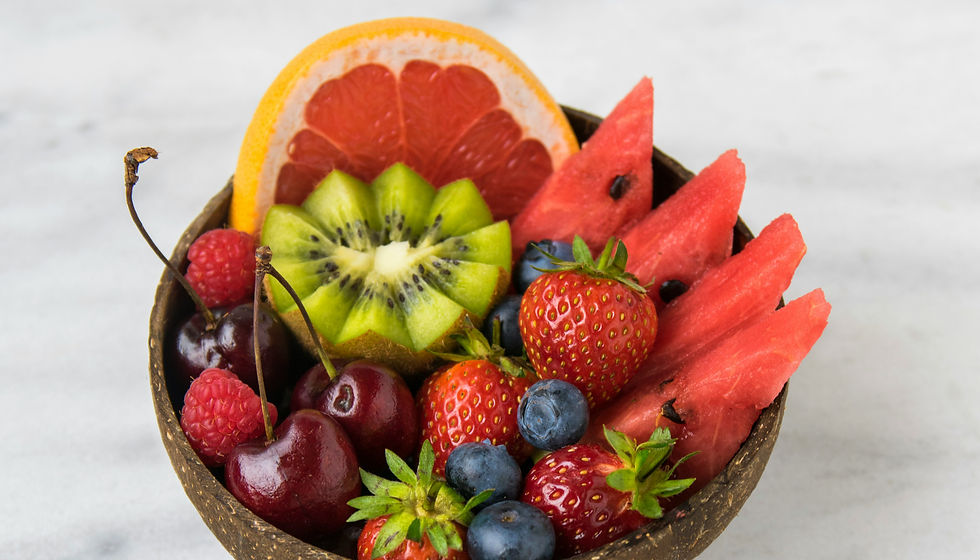
Watermelon: About 92% water, contains potassium and antioxidants.
Strawberries: Around 91% water, rich in vitamin C and manganese.
Celery: Approximately 95% water, with sodium and potassium.
Tomatoes: About 94% water, provide potassium and vitamin C.
Including these foods in your meals or snacks can boost hydration naturally. They also supply vitamins and minerals that support overall health. For example, a summer salad with cucumbers, tomatoes, and watermelon chunks offers both fluid and electrolytes.
Recognizing Signs of Dehydration
Dehydration can sneak up on you, especially during hot weather or intense activity. Knowing the signs helps you act before symptoms worsen. Common indicators include:
Thirst and dry mouth
Dark yellow urine or reduced urine output
Fatigue or dizziness
Headache or difficulty concentrating
Muscle cramps or weakness
If you notice these signs, increase your fluid intake and include foods with electrolytes. Avoid waiting until you feel very thirsty, as thirst is a late signal of dehydration.
Managing Summer Gastrointestinal Symptoms Related to Hydration
Summer heat can affect digestion and hydration in several ways. Diarrhea, vomiting, or heat-related illnesses cause rapid fluid and electrolyte loss. This can lead to dehydration and worsen symptoms.
To manage these issues:
Drink fluids with electrolytes, such as oral rehydration solutions or natural options like coconut water.
Eat bland, hydrating foods like bananas, rice, and applesauce to support digestion.
Avoid caffeine and alcohol, which can increase fluid loss.
Rest in a cool environment to reduce heat stress.
If symptoms persist or worsen, seek medical advice promptly.

Practical Tips to Optimize Hydration Every Day
Eat a variety of fruits and vegetables that provide water and electrolytes.
Drink water regularly, not just when thirsty.
Include salty snacks moderately if you sweat a lot, to replace sodium.
Adjust fluid intake based on activity and weather; hotter days and exercise increase needs.
Monitor urine color as a simple hydration check: pale yellow is ideal.
Limit sugary or caffeinated drinks that can dehydrate you.
By combining these strategies, you support your body’s hydration needs naturally and effectively.
The information shared on this blog is for educational purposes only and is not intended as medical or individualized nutrition advice. Because every person’s health needs are unique, please consult with a qualified healthcare professional or registered dietitian for personalized recommendations and care.
References:



Comments