.png)
_edited.png)
Unlocking the Power of Prebiotics: Essential Foods for Optimal Gut Health

Updated: May 13
When people want to improve their gut health, the first thing that often comes to mind is probiotic supplements. While probiotics can be helpful, I’ve found that focusing on prebiotics might actually be a more effective way to support a healthy gut. Prebiotics serve as the food for the beneficial bacteria in your digestive system, helping them thrive and maintain balance. This is especially important for those dealing with IBS, diarrhea, or constipation, where gut health plays a critical role.
Let’s explore what prebiotics are, how they differ from probiotics, and which foods and supplements can help you boost your gut health naturally.
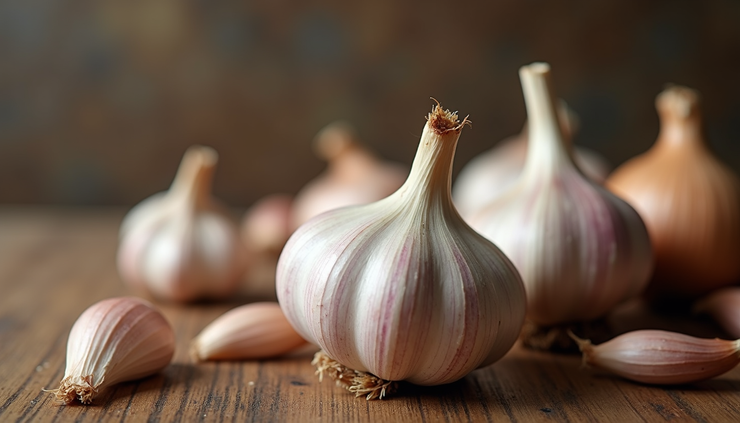
Garlic and onions are among the richest natural sources of prebiotics that support gut bacteria.
What Are Prebiotics and How Do They Differ from Probiotics?
Prebiotics are non-digestible fibers and compounds found in certain foods that feed the good bacteria in your gut. Unlike probiotics, which are live bacteria you consume to add beneficial microbes directly, prebiotics act as nourishment for the bacteria already living in your digestive tract. This helps those bacteria grow and multiply, improving the overall balance of your gut microbiome.
Probiotics can be helpful, especially after a course of antibiotics or during digestive upset, but without enough prebiotics, these beneficial bacteria may struggle to survive and thrive. That’s why focusing on prebiotic intake can be a more sustainable way to improve gut health, reduce symptoms of IBS, and indigestion.
Established Types of Prebiotics and Their Food Sources
Research has identified several key types of prebiotics, each found in different foods. Here’s a breakdown of the main types and where you can find them:
Fructans (Inulin and FOS)
Sources: Chicory root (the richest source), Jerusalem artichoke, garlic, onion, asparagus, banana, barley, wheat, and artichoke.
Benefits: These selectively stimulate the growth of Bifidobacterium and Lactobacillus, two important groups of gut bacteria linked to improved digestion and immune support.
Galacto-oligosaccharides (GOS)
Sources: Human breast milk and cow’s milk. (Note: breast milk is for babies; don't steal some unsuspecting mother's milk supply)
Benefits: Promote growth of Bifidobacteria, Lactobacilli, Enterobacteria, Bacteroidetes, and Firmicutes—all key players in a balanced gut ecosystem.
Resistant Starch
Sources: Green bananas, plantains, potatoes, cooked-and-cooled rice, previously frozen bread, and legumes.
Benefits: Considered a candidate prebiotic, which acts like prebiotic fibers, resistant starch supports Bifidobacterium and Lactobacillus enrichment, which can help regulate bowel movements and reduce IBS symptoms. Plus, as a bonus, it can help stabilize blood glucose levels!
Pectic Oligosaccharides
Sources: Pectin-rich foods like apples, citrus fruits, and carrots.
Benefits: These fibers encourage beneficial bacteria growth and improve gut barrier function.
Human Milk Oligosaccharides (HMOs)
Sources: Found naturally in human breast milk.
Benefits: Associated with a Bifidobacterium-dominated gut in infants, supporting early immune development.
Additional Prebiotic-Rich Foods to Include in Your Diet
Besides the main categories, many other foods contain prebiotic fibers that support gut health:
Peas, beans, and soybeans
Rye and oats
Tomatoes and carrots
Honey and sugar beets
Dandelion greens
Chia seeds and flaxseeds
Almonds
Emerging research also points to non-carbohydrate prebiotics like cocoa-derived flavanols and dietary polyphenols, which are also touted to reduce inflammation and may help prevent certain types of cancer.
How Prebiotics Help Manage IBS, Diarrhea, and Constipation
For those with IBS, diarrhea, or constipation, prebiotics can play a key role in symptom management. By feeding beneficial bacteria, prebiotics help:
Balance gut microbiota: A healthy balance reduces inflammation and supports normal bowel function.
Improve stool consistency: Resistant starch and fibers can soften or bulk up stool, easing diarrhea or constipation.
Reduce gut sensitivity: A balanced microbiome may lower gut hypersensitivity, a common IBS trigger.
That said, some people with IBS may experience gas or bloating when increasing prebiotic intake too quickly. It’s best to introduce prebiotic foods gradually and monitor your body’s response.

Including a variety of prebiotic foods like bananas, asparagus, and legumes supports diverse gut bacteria.
Considering a Prebiotic Supplement
If you find it challenging to get enough prebiotics from food alone, supplements can be a helpful addition. Common prebiotic supplements include inulin, fructooligosaccharides (FOS), and galacto-oligosaccharides (GOS). These supplements are generally safe and can support gut health when taken as directed.
When choosing a prebiotic supplement:
Look for products with well-studied ingredients like inulin or GOS.
Start with a low dose to avoid digestive discomfort.
Combine supplements with a diet rich in whole foods for the best results.
Remember, supplements are not a replacement for a balanced diet but can be a useful tool for those with specific gut health goals.
Practical Tips to Boost Your Prebiotic Intake
To naturally improve your gut health through prebiotics, try these simple strategies:
Add garlic and onions to your meals regularly.
Snack on bananas or include them in smoothies.
Use chicory root coffee as a prebiotic-rich beverage alternative.
Incorporate legumes like lentils and chickpeas into salads and soups.
Eat cooked-and-cooled rice or potatoes to increase resistant starch.
Include apples and citrus fruits as part of your daily fruit intake.
By diversifying your prebiotic sources, you support a wider range of beneficial bacteria, which can improve digestion and reduce IBS symptoms.
Gut health depends on a balanced ecosystem of bacteria, and prebiotics provide the essential nourishment these microbes need to thrive. While probiotics add helpful bacteria, prebiotics create the environment for those bacteria to grow strong and support your digestive system. Including a variety of prebiotic foods and considering supplements when necessary can help manage IBS, diarrhea, and constipation more effectively.
Start by adding some of the foods mentioned here to your diet and observe how your gut responds. Over time, you may notice improved digestion, more regular bowel movements, and a stronger gut overall. Your gut bacteria will thank you for the fuel they need to keep you feeling your best.
The information shared on this blog is for educational purposes only and is not intended as medical or individualized nutrition advice. Because every person’s health needs are unique, please consult with a qualified healthcare professional or registered dietitian for personalized recommendations and care.



super helpful article!